
Agentic Workflows: Revolutionizing Digital Marketing
Understanding Agentic Workflows
In the ever-evolving landscape of digital marketing, staying ahead of the curve is crucial. One of the most significant advancements in recent years is the concept of Agentic Workflows. These workflows are designed to streamline processes, enhance efficiency, and ultimately drive better marketing outcomes.
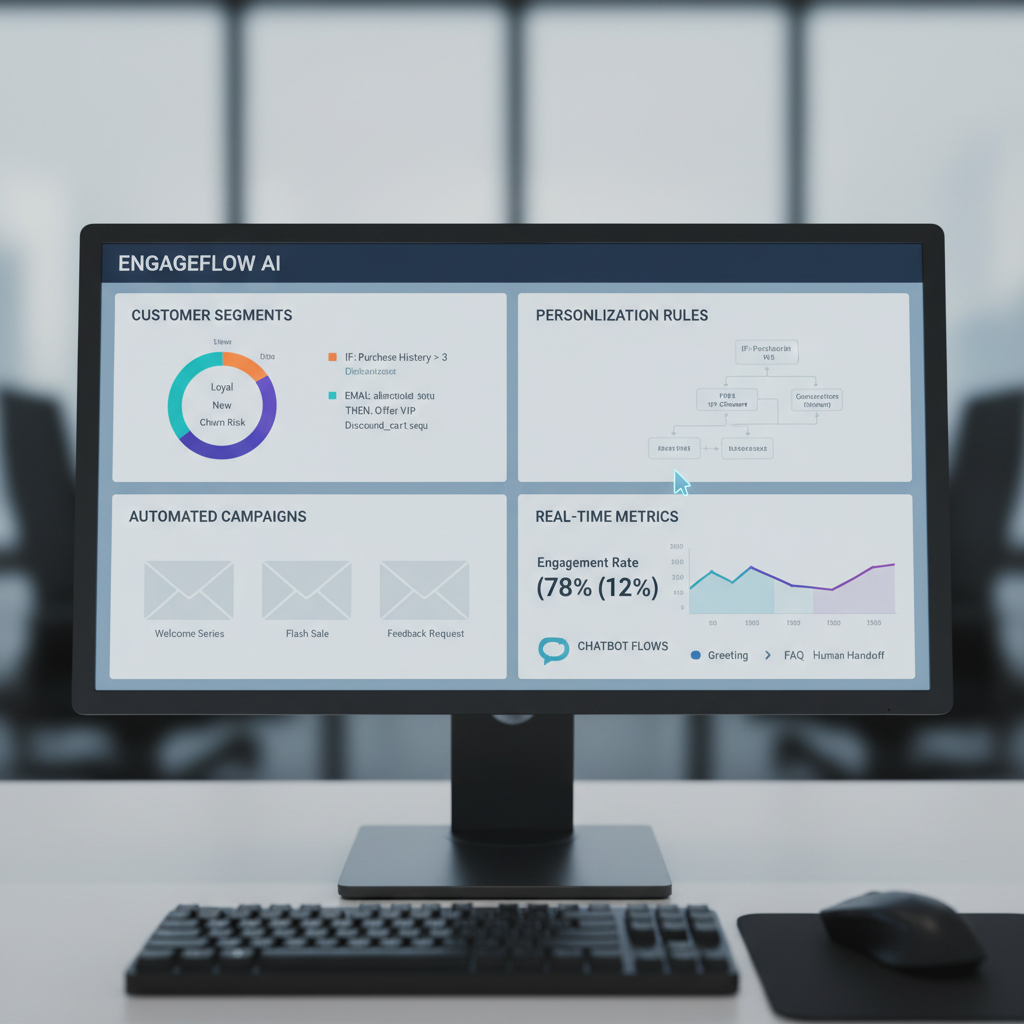
Agentic Workflows leverage artificial intelligence and automation to create systems that are not only efficient but also adaptive. This means that marketing strategies can be automatically adjusted based on real-time data, allowing businesses to respond swiftly to changes in consumer behavior and market trends.

The Benefits of Implementing Agentic Workflows
Increased Efficiency
One of the primary benefits of Agentic Workflows is the significant increase in operational efficiency. By automating repetitive tasks, marketers can focus on strategic planning and creative endeavors. This not only saves time but also reduces the likelihood of errors, leading to more consistent and reliable outcomes.
Real-Time Data Utilization
Agentic Workflows utilize real-time data to adapt and optimize marketing strategies. This means that campaigns can be fine-tuned continuously, leading to more accurate targeting and higher conversion rates. Businesses can gain insights into consumer behavior and preferences, allowing for more personalized marketing efforts.

Key Components of Agentic Workflows
Integration with Existing Systems
For Agentic Workflows to be effective, they must integrate seamlessly with existing systems. This includes CRM software, content management systems, and analytics tools. Such integration ensures a smooth flow of information and enables a holistic view of marketing activities.
Automation and AI
The core of Agentic Workflows lies in the use of automation and AI. These technologies help in executing tasks without human intervention, learning from data patterns, and making informed decisions. This not only improves the speed of execution but also enhances the quality of marketing efforts.
Challenges and Considerations
While the benefits are clear, implementing Agentic Workflows does come with its challenges. Businesses need to ensure that they have the right infrastructure and expertise to manage these advanced systems. Additionally, data security and privacy concerns must be addressed to maintain consumer trust.
Despite these challenges, the potential of Agentic Workflows to revolutionize digital marketing is undeniable. As technology continues to advance, these workflows will become even more sophisticated, offering unprecedented opportunities for businesses to connect with their audiences.
Conclusion
Agentic Workflows represent a significant shift in how digital marketing is conducted. By embracing these technologies, businesses can achieve greater efficiency, adapt to market changes swiftly, and deliver more personalized experiences to their customers. As we move forward, those who adopt and innovate with Agentic Workflows will likely lead the way in the digital marketing arena.